In HelloNation, Auto Repair Expert Gerald Gillis Clarifies What a Modern Tune-Up Includes
PR Newswire
MILTON, Fla., Aug. 10, 2026
The article explains how modern tune-ups have shifted from manual adjustments to diagnostics, component inspections, and preventive maintenance.
MILTON, Fla., Aug. 10, 2026 /PRNewswire/ -- What does a modern tune-up actually involve? A HelloNation article featuring Gerald Gillis of All Pro Tune Up explains how this once-standard service has evolved. The article outlines how today's vehicles require a different kind of care, shifting from manual adjustments to sensor-based inspections and component checks as part of modern preventive maintenance.
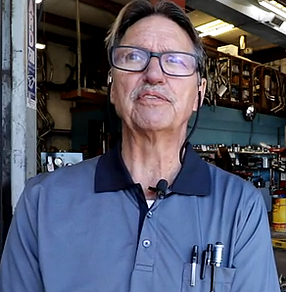
In the article, Auto Repair Expert Gerald Gillis addresses common misconceptions about the tune-up process. He notes that many drivers still associate a tune-up with older vehicle practices like adjusting carburetors and replacing ignition parts. While that was once routine, advancements in engine technology have changed how technicians maintain performance and reliability.
Modern vehicles use electronic fuel injection and computerized engine controls, which automatically manage timing and fuel delivery. Because of this, a modern tune-up no longer involves adjusting engine settings by hand. Instead, the focus has moved to spark plug replacement, sensor diagnostics, and fuel system evaluations. According to Gillis, this new approach is just as essential, even if it happens less frequently.
Spark plugs remain one of the few components still regularly replaced. Although modern spark plugs last longer than those in older engines, they eventually wear out and affect combustion. As Gillis explains in the HelloNation feature, worn plugs can cause rough idling, misfires, and reduced fuel efficiency. Replacing them at recommended intervals is a key part of a modern tune-up.
Another area of focus is the fuel injection system. The article notes that clogged air filters or dirty fuel injectors can disrupt airflow and affect how the engine burns fuel. Cleaning these components helps restore proper performance and supports efficient engine operation. Gillis emphasizes that while these problems may not always trigger dashboard warnings, they can lead to long-term performance issues if left unchecked.
The ignition system is also closely examined during a tune-up. Components such as ignition coils may deteriorate with time, even without triggering warning lights. A weakening coil can cause hesitation, rough acceleration, or inconsistent power delivery. Gillis explains that preventive inspections help catch these issues early, often before drivers even notice a problem.
Computer diagnostics now play a central role in the tune-up process. The HelloNation article explains that even if the check engine light is off, stored codes in the vehicle's computer may still indicate developing issues. Scanning for these codes helps technicians identify sensor irregularities or system imbalances before they lead to bigger problems.
Engine sensors and emissions components are also checked during a modern tune-up. Sensors such as the oxygen sensor and mass airflow sensor help control fuel mixture and engine timing. When these degrade, fuel economy and emissions performance both decline. Evaluating these parts ensures the engine continues to run efficiently and within legal emissions standards.
Fluid checks are another valuable part of preventive maintenance. While fluids may not always require immediate replacement, assessing their condition provides insight into overall system health. Gerald Gillis notes that signs like dirty oil, worn coolant, or brake fluid moisture levels can point to early wear or hidden mechanical issues.
The article also highlights why modern tune-ups remain essential, even as vehicles have become more advanced. Today's systems are designed to compensate for minor issues, which allows a vehicle to appear to run normally while small problems quietly grow. Gillis explains that routine tune-ups help detect those issues early, before they require major repairs.
Driving habits and environment can also influence maintenance needs. Gillis recommends adjusting service intervals for vehicles used in stop-and-go traffic, towing, or extreme weather. These conditions can place additional stress on components, making regular inspections more important than relying solely on mileage guidelines.
What a Modern Tune-Up Really Means for Today's Vehicles features insights from Gerald Gillis, Auto Repair Expert of Milton, Florida, in HelloNation.
About HelloNation
HelloNation is America's Good News Network, a premier media platform built on the idea that good news travels faster when real people tell real stories. Through its community-focused digital publications and innovative "edvertising" approach, HelloNation delivers expert-driven, good-news content that informs, inspires, and spotlights the leaders making a meaningful impact in their communities.

 View original content to download multimedia:https://www.prnewswire.com/news-releases/in-hellonation-auto-repair-expert-gerald-gillis-clarifies-what-a-modern-tune-up-includes-302847359.html
SOURCE HelloNation

