Understanding Two Types of Special Needs Trusts
Minnetonka, United States - February 26, 2026 / Roulet Law Firm, P.A. /
VENICE, Fla., and MINNETONKA, Minn. (Feb. 20, 2026) — Roulet Law Firm, P.A. announced the release of a new educational guide designed to help families understand the difference between first-party special needs trusts and third-party supplemental needs trusts, and why the choice can affect a loved one's eligibility for needs-based benefits such as Medicaid and Supplemental Security Income (SSI).
The guide explains that special needs trusts are commonly used to hold assets for a person with a disability, helping preserve eligibility for benefits while still allowing funds to be used to improve quality of life through appropriate trust distributions.
"For many families, this isn't just a financial decision," said Chuck Roulet, attorney at Roulet Law Firm, P.A. "It's about having a plan in place so a loved one can be supported over the long term, including when caregivers are no longer able to step in day to day."
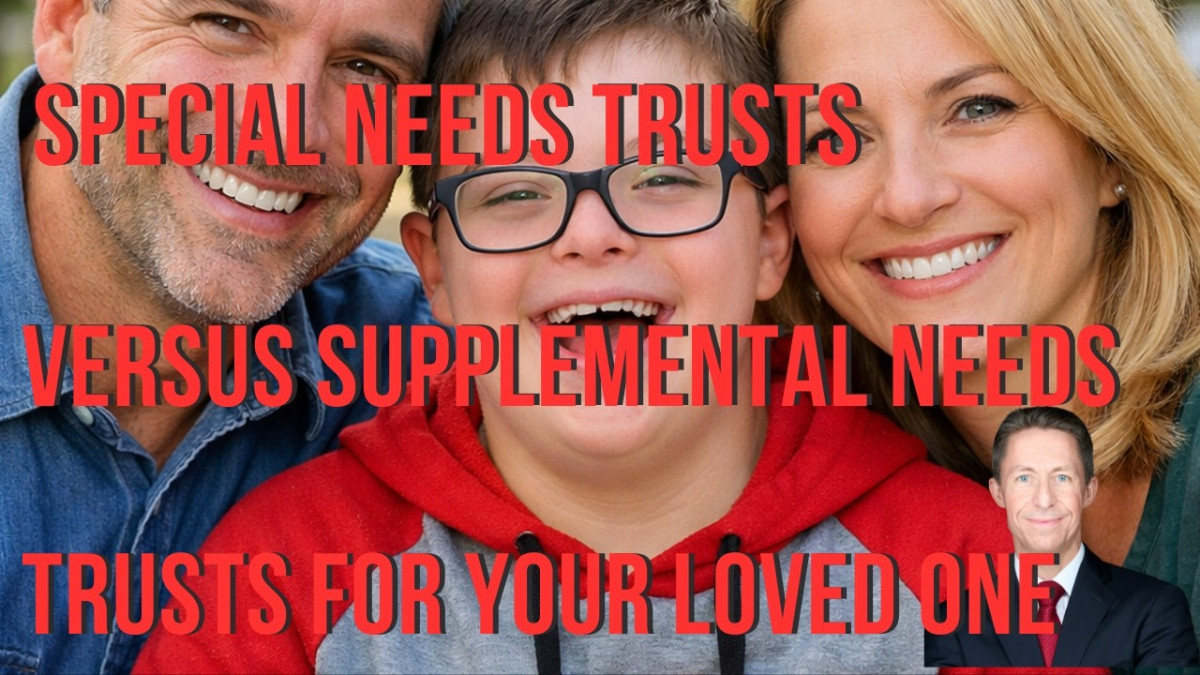
What the guide covers: first-party vs. third-party trusts
According to the guide, first-party special needs trusts are generally used when the individual with a disability already owns assets—such as a settlement, back pay, or an inheritance that was left directly to them. These trusts are authorized under federal law (commonly referenced under 42 U.S.C. § 1396p(d)(4)(A)) and typically include a Medicaid payback provision, meaning remaining funds may be used to reimburse the state for certain Medicaid benefits after the beneficiary’s death.
The guide also explains that third-party supplemental needs trusts are usually funded with assets belonging to someone other than the beneficiary—often parents, grandparents, or other relatives as part of an estate plan. Because the assets were never owned directly by the beneficiary, these trusts generally do not include a Medicaid payback requirement, allowing families to name remainder beneficiaries for any funds left after the beneficiary’s death.
Common planning issues the guide highlights
The resource also addresses common situations that can create problems for benefits planning, including leaving assets directly to a person who receives needs-based benefits or failing to coordinate beneficiary designations with the estate plan.
Read the guide
The guide is available here: (include link in your distribution copy)
Special Needs Trust Guide: First-Party vs. Third-Party
Families who want to discuss special needs trust planning can contact Roulet Law Firm, P.A. to schedule a consultation.
About Roulet Law Firm, P.A.
Roulet Law Firm, P.A. serves clients in Florida and Minnesota, with offices in Venice, Florida, and Minnetonka, Minnesota. The firm provides estate planning services, including wills, trusts, special needs planning, and Medicaid planning.


Contact Information:
Roulet Law Firm, P.A.
601 Carlson Pkwy Suite # 1050
Minnetonka, MN 55305
United States
Chuck Roulet
(763) 420-5087
https://www.rouletlaw.com/
