Even Highly Curable Childhood Cancers Take a Substantial Toll on Families, According to New Study from JNCCN
PR Newswire
PLYMOUTH MEETING, Pa., Oct. 13, 2026
More than 4 out of 5 families experiencing treatment for childhood leukemia were impacted by employment or marital status changes during care.
PLYMOUTH MEETING, Pa., Oct. 13, 2026 /PRNewswire/ -- New research in the October 2026 issue of JNCCN—Journal of the National Comprehensive Cancer Network finds that families of children receiving treatment for B-cell acute lymphoblastic leukemia (B-ALL) experience substantial and lasting challenges beginning early after diagnosis, according to a new multicenter study embedded in a Children's Oncology Group (COG) trial. The COG includes more than 200 member institutions that treat about 80% of all new cases of childhood and adolescent cancer, therefore these findings represent the experiences of most families.
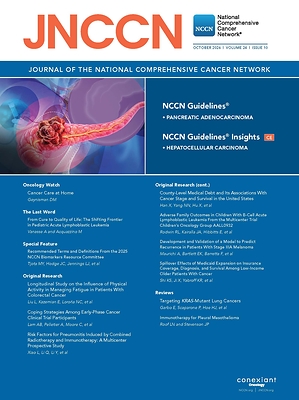
The study followed family outcomes over time in 420 children being treated for standard-risk B-ALL, from September 2010 through April 2013. B-ALL is the most common childhood cancer, with treatment typically lasting about 2.5 years. Investigators found that adverse family outcomes developed quickly and remained common throughout the entire duration of therapy, including household employment changes, or changes in marital status. Among randomized participants, 56.2% of families reported at least one household change within approximately 2 months of diagnosis, increasing to 81.2% by 26 months.
"As providers, we should always be thinking about how to minimize the secondary impacts of cancer therapy," said lead author Rozalyn L. Rodwin, MD, MHS, Yale Cancer Center/Smilow Cancer Hospital . "These findings highlight how cancer therapy can impact a child's family financially, socially, and emotionally. Families are impacted early and continue to be impacted; therefore, support must be considered as part of cancer care from day one."
The trial also compared family outcomes between those groups receiving maintenance vincristine/dexamethasone given every 4 weeks (VCR/DEX4) versus every 12 weeks (VCR/DEX12). Families in the VCR/DEX12 group were less likely to report at least $100 in leukemia-related expenses after randomization, but most other family outcomes were similar between treatment groups.
"We had hoped this study would find that reduced treatment intensity led to reduced adverse family outcomes, but for the most part that wasn't the case. This highlights the need for family support regardless of treatment intensity," noted Dr. Rodwin. "I think that as providers, we should routinely screen caregivers for financial toxicity, and also make sure to ask about unexpected employment changes, and other changes in the home so that families can be directed to appropriate resources."
"This study highlights critical findings that despite incredible improvements in survival for childhood B-ALL, the burden from treatment is still a really big deal," commented Melissa Acquazzino, MD, MS, Fred & Pamela Buffett Cancer Center, who was not involved with this research.
Dr. Acquazzino, who is also a member of the NCCN Clinical Practice Guidelines in Oncology (NCCN Guidelines®) Panels for Pediatric Aggressive Mature B-Cell Lymphomas and Adolescent and Young Adult (AYA) Oncology, continued: "Significant financial hardship and family distress can develop early on in treatment and remain throughout, negatively impacting the child's physical and emotional health. Ongoing research and investment in multidisciplinary teams is needed to improve the experience and decrease any burden placed on our patients' families."
Dr. Acquazzino authored a longer response to this study that can also be found in the October issue of JNCCN. To read the entire study "Adverse Family Outcomes in Children With B-Cell Acute Lymphoblastic Leukemia From the Multicenter Trial Children's Oncology Group AALL0932" and the corresponding "The Last Word" commentary, visit JNCCN.org.
About JNCCN—Journal of the National Comprehensive Cancer Network
More than 25,000 oncologists and other cancer care professionals across the United States read JNCCN—Journal of the National Comprehensive Cancer Network. This peer-reviewed, indexed medical journal provides the latest information about innovation and scientific studies related to oncology health services research, including quality care and value, bioethics, comparative and cost effectiveness, public policy, and interventional research on supportive care and survivorship. JNCCN features updates on the NCCN Clinical Practice Guidelines in Oncology (NCCN Guidelines®), review articles elaborating on guidelines recommendations, health services research, and commentary. JNCCN is published by Conexiant. Visit JNCCN.org for more information.
About the National Comprehensive Cancer Network
The National Comprehensive Cancer Network® (NCCN®) is a not-for-profit alliance of leading cancer centers devoted to patient care, research, and education. NCCN is dedicated to defining and advancing quality, effective, equitable, and accessible cancer care and prevention so all people can live better lives. The NCCN Clinical Practice Guidelines in Oncology (NCCN Guidelines®) provide transparent, evidence-based, expert consensus-driven recommendations for cancer treatment, prevention, and supportive services; they are the recognized standard for clinical direction and policy in cancer management and the most thorough and frequently-updated clinical practice guidelines available in any area of medicine. The NCCN Guidelines for Patients® provide expert cancer treatment information to inform and empower patients and caregivers, through support from the NCCN Foundation®. NCCN also advances continuing education, global initiatives, policy, and research collaboration and publication in oncology. Visit NCCN.org for more information.
Media Contact:
Rachel Darwin
267-622-6624
darwin@nccn.org

 View original content to download multimedia:https://www.prnewswire.com/news-releases/even-highly-curable-childhood-cancers-take-a-substantial-toll-on-families-according-to-new-study-from-jnccn-302907083.html
SOURCE National Comprehensive Cancer Network

